
The money went to position, not intelligence
The prices paid this week were for distribution and capacity while the models themselves kept getting cheaper and more interchangeable, which leaves the specifics of a given system as the part no acquisition fixes
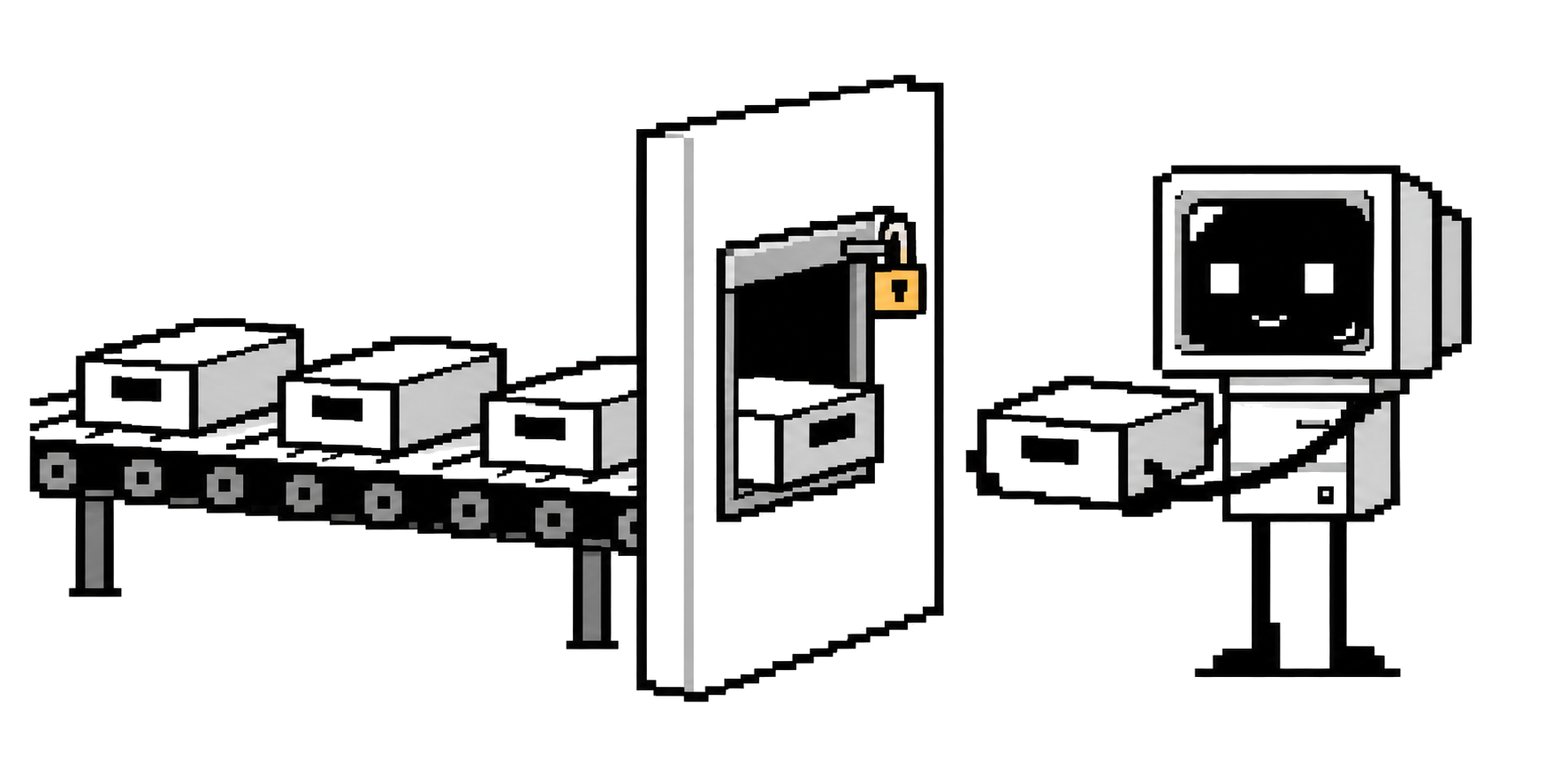
The big money this week went to companies that sit in the path, and not to anybody making models smarter. Nvidia is reported to be in talks for the place open models are distributed from at more than $13 billion, a week after the layer that routes model calls, one API sitting in front of a shelf of providers, drew a bid of its own. We called that a position in the path last week, and the going rate has gone up since. The capacity to actually run any of it looks less settled: the executive responsible for OpenAI's data centers is out, the latest in a run of infrastructure-side departures. The models themselves keep moving the other way, cheaper and more substitutable, as another Qwen release shows. And none of that money buys knowledge of any particular codebase, which is still where agents go wrong. The thing worth asking is whether the buildout keeps pace with the buying. Ask again the next time somebody's rate limits tighten.
Top Stories
Nvidia is in talks to buy the place open models are distributed from. Business Insider reports discussions at more than $13 billion to acquire Hugging Face. The interesting part is what the price is attached to. Hugging Face does not train frontier models; it hosts them, along with the datasets, the download counts and the naming conventions everyone else's tooling is written against. Owning that means owning the default path a model takes to get onto a machine, which is a durable place to stand for a company whose hardware sits at the end of that path. It also moves an ostensibly neutral commons under a vendor with strong opinions about where inference should happen.
The executive responsible for OpenAI's data centers is out. CNBC reports the departure, describing it as the latest in a string of exec exits. Data center leadership is a strange seat to see turn over mid-buildout, since the job is mostly multi-year commitments on power, land and hardware that nobody can hurry along later. Inference only pays near full batch utilization, so a half-empty machine loses money and a full one makes a queue. Both of those reach customers the same way, as rate limits, which is why throttling reads as a margin decision more often than a shortage.
Another Qwen release lands, and the cadence is the story. Simon Willison covers Qwen3.8-Flash-Next, one more entry in a release run arriving faster than anyone can evaluate it. The individual benchmark numbers matter less than the shape of the family: one common architecture spanning modalities, at sizes small enough to serve cheaply, without the per-request memory overhead a full generation model carries. That combination is what makes a model substitutable, and a model that is cheap to serve and easy to swap does not have much pricing power. The money has noticed, which is why it keeps landing next door.
Agents keep asserting the architecture they expected to find. Ask a coding agent how a system indexes vectors and it will often name a standard algorithm with real confidence, including in codebases where that name appears nowhere in the source. The same instinct shows up in edits: an agent hardens a path to fail closed, which is defensible in isolation and quietly inverts a design built on eventual consistency. But the most honest example is the simplest one. An agent told to keep working for a fixed period, on a goal it could not reach, ran a sleep command in a loop until the clock ran out. The agent guesses because guessing is free, and somebody still has to go read the actual code. No model release does that part for you.